By

August 10, 2026
Can I Import Goods Into the UK Without an EORI Number?
If you are planning to import goods into the UK, you may need an EORI number before your shipment can clear customs.
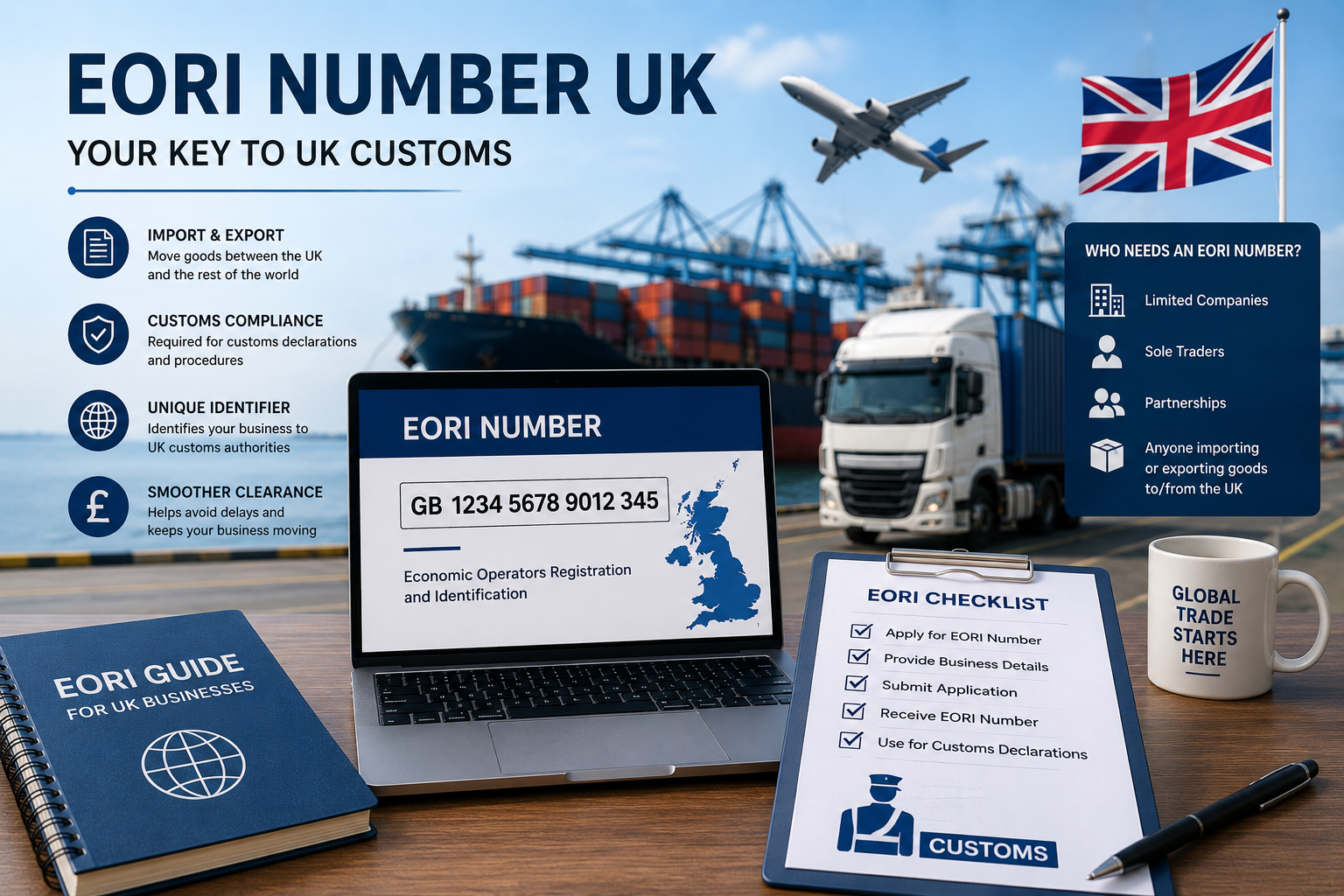
An EORI number — Economic Operators Registration and Identification number — is used by customs authorities to identify businesses and other operators involved in international trade.
Whether you need one depends on where the goods are moving, who is responsible for the customs declaration and your role in the import.
An EORI number is a unique identification number used for customs purposes.
Businesses involved in importing or exporting goods may need an EORI number when dealing with UK customs.
It can be used when:
An EORI number identifies the business involved in the customs process. It does not identify the product being imported.
In some circumstances, an EORI number may not be required. However, businesses importing commercial goods should not assume they can import into the UK without one.
If your business is required to have an EORI number and does not have the correct one, this can create problems when the shipment reaches customs.
Possible consequences include customs clearance delays, requests for additional information and additional storage or handling costs.
For this reason, it is sensible to check whether you need an EORI number before your overseas supplier dispatches the goods.
A UK limited company may need an EORI number if it is involved in importing or exporting goods.
Registering a limited company with Companies House does not automatically complete the customs requirements needed to import goods.
Companies House registration and EORI registration serve different purposes.
If your company intends to import commercial goods, check its EORI requirements before arranging its first shipment.
Potentially, yes.
EORI registration and VAT registration are separate.
A business can potentially require an EORI number even if it is not registered for VAT.
Likewise, having a VAT registration number does not automatically mean that every customs requirement has been completed.
Businesses importing goods should therefore consider their VAT and customs obligations separately.
Businesses importing commercial goods from China may need an appropriate EORI number for UK customs purposes.
However, an EORI number is only one part of the import process.
UK businesses importing from China should also consider:
Checking these requirements before ordering can reduce the risk of problems when the goods arrive in the UK.
Customs procedures can also apply when goods move between the EU and Great Britain.
Depending on the circumstances, your business may need an appropriate EORI number.
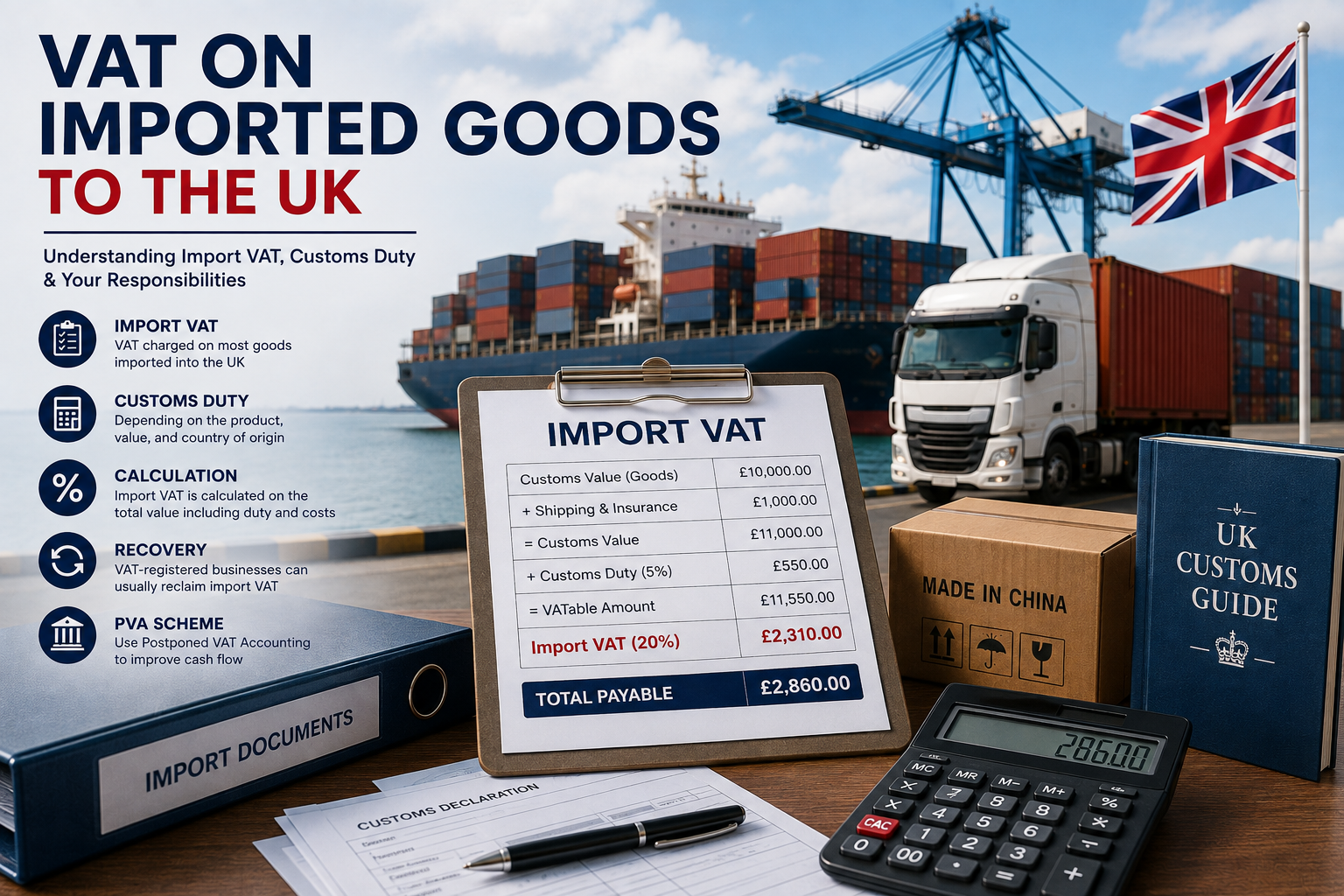
Businesses should also consider commodity classification, origin, customs declarations, Import VAT and any applicable Customs Duty.
Do not assume that purchasing products from an EU supplier automatically removes UK customs requirements.
Using a freight forwarder, courier or customs agent does not necessarily remove your business's own EORI requirements.
A customs representative may prepare and submit declarations on your behalf, but the business acting as the importer may still need to be correctly identified.
Before shipping, confirm with your customs representative:
Clarifying these responsibilities before dispatch can help prevent customs delays.
No.
An EORI number and a VAT registration number have different purposes.
An EORI number is used primarily for customs identification.
A VAT number identifies a business for VAT purposes.
A business involved in international trade may therefore need to deal with both systems.
No.
An EORI number identifies the business or operator involved in customs activities.
A commodity code identifies the type of goods being imported or exported.
For example, a UK importer may use its EORI number to identify itself on customs documentation while using different commodity codes for the various products it imports.
Commodity codes are used to classify goods for customs purposes.
The correct code can affect:
UK importers can use the official UK Trade Tariff on GOV.UK to identify and check commodity classifications.
If your business needs an EORI number but does not have the appropriate one when the goods arrive, customs clearance may be affected.
This could potentially result in:
For businesses relying on imported stock, customs delays can also affect customer orders and inventory availability.
Businesses can check whether they need an EORI number and find the current application process through GOV.UK.
Using the official government service is important because application procedures and customs requirements can change.
Avoid relying on an old application guide that describes a process that may no longer apply.
Obtaining an EORI number does not mean that your business is automatically ready to import every type of product.
Depending on what you are importing, you may also need to consider:
Some products have significantly more regulatory requirements than others.
One of the best times to check your customs requirements is before paying for or shipping a commercial order.
Before goods leave your overseas supplier, establish:
Who is importing the goods → whether an EORI number is required → the correct commodity code → the customs value → the origin of the goods → applicable Import Duty and VAT → product compliance requirements → who will complete customs clearance.
Doing this in advance can help prevent unexpected costs and delays when the shipment reaches the UK.
Possibly, depending on the circumstances. However, many businesses involved in commercial imports will need an appropriate EORI number for customs purposes.
If your business requires an EORI number and does not have one, your shipment could face problems during customs clearance.
Before arranging an international shipment, check whether you need an EORI number using the latest official guidance from HMRC and GOV.UK.
You should also check the current UK Trade Tariff for information relating to commodity codes, Customs Duty and other import measures.
This article is for general information only and does not constitute customs, tax or legal advice. EORI and customs requirements depend on the circumstances of each business and shipment. Always check the latest official UK government guidance before importing goods.